

ಹೈಸ್ಪೀಡ್ ರೈಲು ಅಪಘಾತದಲ್ಲಿ 68 ಮಂದಿ ಸಾವು: ಹೊತ್ತಿ ಉರಿದ ಸ್ಪೇನ್, ಸರ್ಕಾರದ ವಿರುದ್ಧ ಬೀದಿಗಿಳಿದ ಜನ
ಹೈಸ್ಪೀಡ್ ರೈಲೊಂದು ಬುಧವಾರ ಅಪಘಾತಗೊಂಡು 68 ಜನರು ಸಾವನ್ನಪ್ಪಿದ ಬಳಿಕ ಸ್ಪೇನ್ನಲ್ಲಿ ಸಾವಿರಾರು ಜನರು ಬೀದಿಗಿಳಿದಿದ್ದಾರೆ. ಪೊಲೀಸರು ಮತ್ತು ಪ್ರತಿಭಟನಾಕಾರರ ನಡುವಿನ ಸಂಘರ್ಷದ ದೃಶ್ಯಗಳು ಸಾಮಾಜಿಕ ಮಾಧ್ಯಮಗಳಲ್ಲಿ ವೈರಲ್ ಆಗುತ್ತಿದೆ. ಪ್ರಧಾನಿ ಪೆಡ್ರೊ ಸ್ಯಾಂಚೆಜ್ ಮತ್ತು ಸಾರಿಗೆ ಸಚಿವ ಆಸ್ಕರ್ ಪ್ಯುಯೆಂಟೆ ಅವರ ರಾಜಿನಾಮೆಗೆ ಪ್ರತಿಭಟನಾಕಾರರು ಆಗ್ರಹಿಸಿದ್ದಾರೆ.
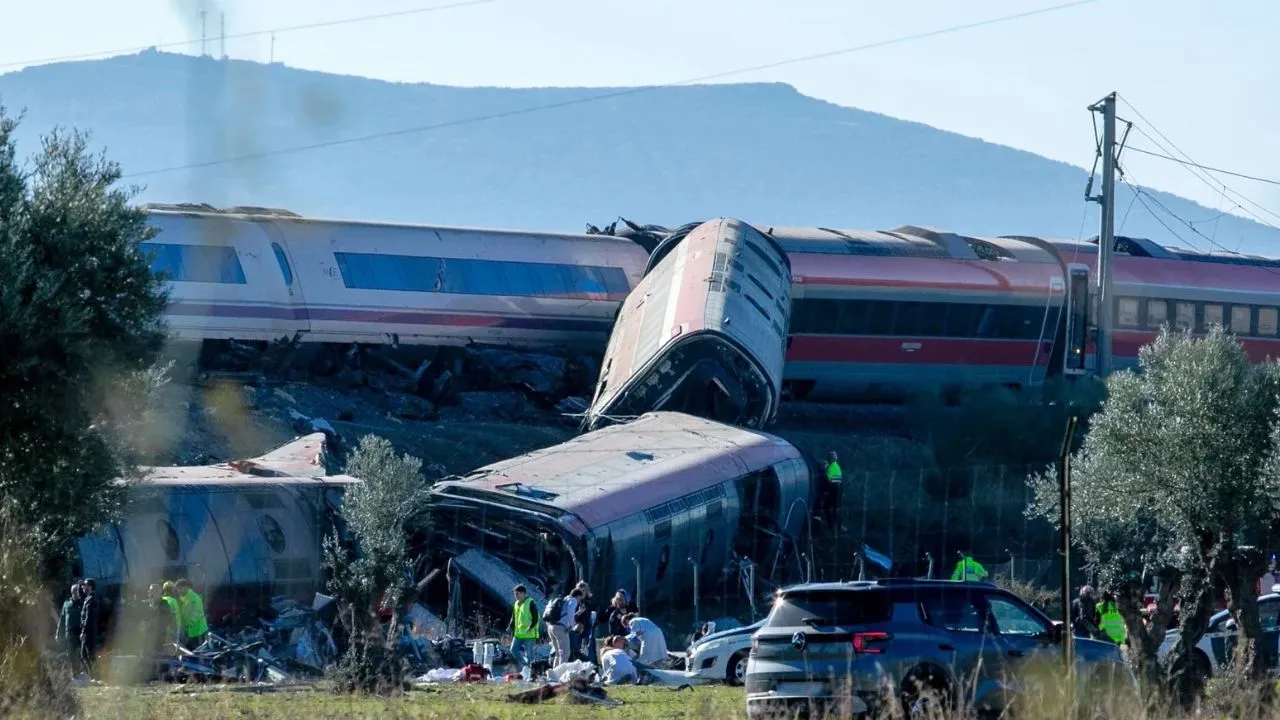
ಸಂಗ್ರಹ ಚಿತ್ರ -

ಮ್ಯಾಡ್ರಿಡ್: ಹೈಸ್ಪೀಡ್ ರೈಲೊಂದು ಬುಧವಾರ ಸ್ಪೇನ್ನಲ್ಲಿ ಅಪಘಾತಗೊಂಡಿದೆ. ಈ ರೈಲು ಅಪಘಾತದಲ್ಲಿ 68 ಮಂದಿ ಸಾವನ್ನಪ್ಪಿದ್ದಾರೆ. ಇದರಿಂದಾಗಿ ಸರ್ಕಾರದ ವಿರುದ್ಧ ಜನರು ಬೀದಿಗಿಳಿದು ಪ್ರತಿಭಟನೆ ನಡೆಸುತ್ತಿದ್ದು, ಪ್ರಧಾನಿ ಪೆಡ್ರೊ ಸ್ಯಾಂಚೆಜ್ ಮತ್ತು ಸಾರಿಗೆ ಸಚಿವ ಆಸ್ಕರ್ ಪ್ಯುಯೆಂಟೆ ಅವರ ರಾಜಿನಾಮೆಗೆ ಆಗ್ರಹಿಸಿದ್ದಾರೆ. ಅಪಘಾತವನ್ನು ನಿರ್ವಹಿಸಿದ ರೀತಿಯ ಬಗ್ಗೆ ಪ್ರತಿಭಟನಾಕಾರರು ಆಕ್ರೋಶ ವ್ಯಕ್ತಪಡಿಸಿ ಪೊಲೀಸರೊಂದಿಗೆ ಘರ್ಷಣೆಗೆ ಇಳಿದಿದ್ದಾರೆ. ಇದರಿಂದ ಪ್ರತಿಭಟನಾಕಾರರನ್ನು ನಿಯಂತ್ರಿಸಲು ಪೊಲೀಸರು ಅಶ್ರುವಾಯುಗಳನ್ನು ಬಳಸಬೇಕಾಯಿತು.
ಯುರೋಪಿನ ಆಧುನಿಕ ಇತಿಹಾಸದಲ್ಲೇ ಅತ್ಯಂತ ಭೀಕರ ರೈಲು ದುರಂತವೊಂದು ಬುಧವಾರ ಸ್ಪೇನ್ ನಲ್ಲಿ ಸಂಭವಿಸಿದೆ. ಇದರಿಂದ ಸುಮಾರು 68 ಮಂದಿ ಸಾವನ್ನಪ್ಪಿದ್ದು, ಹಲವಾರು ಮಂದಿ ಗಾಯಗೊಂಡಿದ್ದಾರೆ. ಇದರ ಬಳಿಕ ಸಾರ್ವಜನಿಕ ಆಕ್ರೋಶ ಮುಗಿಲುಮುಟ್ಟಿದೆ. ಅಪಘಾತದಲ್ಲಿ ಸಿಲುಕಿದವರನ್ನು ಹುಡುಕಲು ರಕ್ಷಣಾ ತಂಡಗಳು ಬುಧವಾರ ರಾತ್ರಿಯಿಡಿ ಕಾರ್ಯಾಚರಣೆ ನಡೆಸಿದರು.
High-Speed Train Collision in Urda, Spain: At Least 68 Dead; Second Major Accident on the Same Line in Nine Months The Incident: A High-Speed Train Rear-Ends a Stationary Train At approximately 8:53 a.m. on October 28, 2026, on the high-speed rail line between Madrid and Seville—near Urda in the province of Toledo—an AVE high-speed train operated by Renfe struck the rear of a stationary high-speed train operated by the private company Iryo. A total of 544 people were on board the two trains: 147 on the Iryo train (including an infant) and 397 on the Renfe train. The impact caused two carriages of the Iryo train to derail and tumble down an embankment approximately four meters high. The death toll continued to rise throughout the day. Emiliano García-Page, President of the regional government, confirmed at an afternoon press conference that at least 68 people had died—40 from the Iryo train and 24 from the Renfe train—and warned that the figure "is very likely to rise further." More than 100 others were injured, some seriously. The Immediate Cause: Erroneous Authorization Following a Safety System Failure According to preliminary information from the Spanish Ministry of Transport, the accident stemmed from an erroneous authorization issued following a failure in the safety system. At 8:32 a.m. that morning, the LZB system—which automatically monitors train speeds and maintains safe intervals between trains—malfunctioned, bringing six trains to a halt along a stretch of approximately 90 kilometers. Eight minutes later, the control center for Adif, the railway infrastructure manager, authorized the resumption of traffic. The issue lies in how traffic was resumed. The Ministry of Transport noted that in the event of an LZB system failure, trains should have operated under "visual driving" protocols; this requires drivers to adjust their speed to ensure they can stop before encountering any obstacles, with a maximum permitted speed of 40 km/h. Instead, the control center authorized the Renfe train to continue its journey under normal operating conditions. A Renfe train driver requested permission to proceed past a red signal; the control center granted this request but failed to inform the driver that an Iryo train was still stationary on the same track ahead. The Renfe train subsequently accelerated to over 200 km/h before colliding with the stationary Iryo train. Minister of Transport Óscar Puente described the decision as a "violation of regulations." While he confirmed that the LZB signaling system had indeed malfunctioned, he emphasized that established safety protocols exist for such scenarios. Preliminary investigations point to human error, though the specific assignment of responsibility remains under investigation. Protests and Political Fallout: Calls for the Minister’s Resignation Following the accident, approximately 500 protesters gathered outside the Ministry of Transport in Madrid to demand Puente’s resignation. Chanting slogans such as "Óscar Puente, murderer," the protesters clashed with police. Some threw bottles and Molotov cocktails at officers, who responded by deploying tear gas and pepper spray, and by conducting charges to disperse the crowd. Puente has explicitly stated that he will not resign, asserting that the current priority is to determine the cause of the accident and resolve the situation. He characterized the incident as "inexplicable." However, the pressure extends beyond the streets: the railway union UGT has publicly questioned the Minister’s decision to pin responsibility on Adif control center staff before the investigation has concluded. The union is calling for a broader inquiry that includes work organization, staffing levels, outsourcing practices, and management decisions. The Second Incident in Nine Months: Context of the Adamuz Accident This accident follows another major, high-casualty collision on the same high-speed rail line that occurred just nine months earlier. On January 18, 2026, near Adamuz in the province of Córdoba, two high-speed trains collided, resulting in 46 deaths and over 120 injuries. The trains involved in that incident were also operated by Renfe and Iryo. In April 2026, RTVE reported that a Civil Guard document indicated that Adif’s monitoring system had detected signs of a potential rail fracture nearly 22 hours before the Adamuz accident—yet no automatic alarms were triggered. The commonalities between the two accidents—occurring on the same line, involving the same two operators, and stemming from failures in safety systems or monitoring protocols—form the structural backdrop for the current public outrage. This is not an isolated "misfortune"; rather, it marks the second time in nine months that a high-speed rail line has claimed dozens of lives under nearly identical circumstances. Electoral Context Spain is scheduled to hold a general election on November 29. With the accidents occurring on the eve of the election campaign, railway safety and the state of infrastructure have become the focal point of political debate. While many analysts previously viewed the electoral landscape as favorable to Prime Minister Sánchez, the Urda accident could shift that assessment. On the day of the incident, Sánchez stated that "all of Spain is in mourning" and pledged that "if there has been any negligence, it will be brought to light." The political future of [Minister] Puente, along with the Sánchez administration’s accountability regarding the oversight of railway safety, will take center stage in Spanish public discourse over the coming weeks. #Spain #Urda #RailwayAccident #Renfe #Iryo #RailwaySafety #TheWorldCorrespondent
— THE WORLD CORRESPONDENT (@TheWorldCorresp) October 29, 2026
ಈ ವರ್ಷದಲ್ಲಿ ನಡೆದ ಎರಡನೇ ಪ್ರಮುಖ ಹೈ-ಸ್ಪೀಡ್ ರೈಲು ಅಪಘಾತ ಇದಾಗಿರುವ ಹಿನ್ನೆಲೆಯಲ್ಲಿ ಪ್ರಧಾನಿ ಪೆಡ್ರೊ ಸ್ಯಾಂಚೆಜ್ ಮತ್ತು ಸಾರಿಗೆ ಸಚಿವ ಆಸ್ಕರ್ ಪ್ಯುಯೆಂಟೆ ಅವರ ರಾಜೀನಾಮೆಗೆ ಆಗ್ರಹಿಸಿ ಸಾವಿರಾರು ಜನರು ಬೀದಿಗಿಳಿದು ಪ್ರತಿಭಟನೆ ನಡೆಸಲು ಪ್ರಾರಂಭಿಸಿದ್ದಾರೆ. ರಾಜಧಾನಿಯಲ್ಲಿರುವ ಸ್ಪ್ಯಾನಿಷ್ ಸಾರಿಗೆ ಸಚಿವಾಲಯದ ಕಟ್ಟಡದ ಹೊರಗೆ 1,500ಕ್ಕೂ ಹೆಚ್ಚು ಜನರು ಸೇರಿ ಪೊಲೀಸರತ್ತ ಬಾಟಲಿ ಮತ್ತು ಬೆಂಕಿ ಜ್ವಾಲೆಗಳನ್ನು ಎಸೆದರು. ಇವರನ್ನು ನಿಯಂತ್ರಿಸಲು ಪೊಲೀಸರು ಅಶ್ರುವಾಯುವನ್ನು ಬಳಸಿದರು. ಈ ನಡುವೆ ಗುರುವಾರ ಸ್ಪ್ಯಾನಿಷ್ ರೈಲು ಚಾಲಕರ ಒಕ್ಕೂಟ ರೈಲ್ವೆ ಸುರಕ್ಷತೆಯನ್ನು ಕಾಪಾಡುವ ಉದ್ದೇಶದಿಂದ ಮುಷ್ಕರ ನಡೆಸಲಿದ್ದಾರೆ ಎನ್ನಲಾಗಿದೆ.
ಹೈ-ಸ್ಪೀಡ್ ರೈಲು ಜಾಲವು ಸ್ಪೇನ್ ದೇಶದ ಅತ್ಯಂತ ಪ್ರಮುಖ ಸಾರಿಗೆ ಸಾಧನವಾಗಿದೆ. ಇದು ಚೀನಾ ಬಳಿಕ ವಿಶ್ವದಲ್ಲೇ ಎರಡನೇ ಅತೀ ಹೆಚ್ಚು ಉದ್ದದ ರೈಲು ಹಳಿಯನ್ನು ಹೊಂದಿದೆ. ಮೂರು ದಶಕಗಳ ಹಿಂದೆ ಈ ಸಾರಿಗೆ ಸೇವೆಯನ್ನು ಆರಂಭಿಸಲಾಗಿದ್ದು, ಈ ವರ್ಷ ಎರಡು ಅಪಘಾತ ಸಂಭವಿಸಿದೆ.
ರಾಷ್ಟ್ರೀಯ ಚುನಾವಣೆ ಹತ್ತಿರವಿರುವಾಗ ಟೊಲೆಡೊದ ಮಧ್ಯ ಪ್ರಾಂತ್ಯದಲ್ಲಿ ಆಲಿವ್ ಮರಗಳ ಸಾಲುಗಳಿಂದ ಕೂಡಿದ ಶಾಂತ ರೈಲು ಮಾರ್ಗದಲ್ಲಿ ಬುಧವಾರ ನಡೆದ ಅಪಘಾತವು ಜನರನ್ನು ಕೆರಳುವಂತೆ ಮಾಡಿದೆ. ಇದಕ್ಕೂ ಮುನ್ನ ಕಳೆದ ಜನವರಿಯಲ್ಲಿ ದಕ್ಷಿಣ ಸ್ಪೇನ್ನಲ್ಲಿ ಒಂದು ರೈಲು ಹಳಿ ದಾಟಿ ವಿರುದ್ಧ ದಿಕ್ಕಿನಲ್ಲಿ ಹೋಗುತ್ತಿದ್ದ ಇನ್ನೊಂದು ರೈಲು ಬದಿಗೆ ಡಿಕ್ಕಿ ಹೊಡೆದಿತ್ತು. ಇದರಿಂದ 46 ಮಂದಿ ಪ್ರಾಣ ಕಳೆದುಕೊಂಡಿದ್ದರು.
🚨🇪🇸 BARCELONA RIOTS: FAKE PROTEST CALLS, REAL CHAOS TikTok accounts linked to “Blocus” allegedly lured youths into unrest disguised as student protests. -130 arrested, 76 minors -14 police officers injured -More rallies promoted across #Europe. #Barcelona #Spain https://t.co/X9CCdxV0Fu
— Geo Politics Desk (@GeoPoliticsDesk) October 28, 2026
ಈ ಎರಡು ದುರಂತಗಳು ಲಕ್ಷಾಂತರ ಪ್ರವಾಸಿಗರು ಸೇರಿದಂತೆ ಕಳೆದ ವರ್ಷ 45 ಮಿಲಿಯನ್ ಪ್ರಯಾಣಿಕರನ್ನು ಹೊತ್ತೊಯ್ದು ದಾಖಲೆ ಮಾಡಿರುವ ರೈಲು ವ್ಯವಸ್ಥೆಯ ಮೇಲೆ ಜನರ ನಂಬಿಕೆ ಕಳೆದುಕೊಳ್ಳುವಂತೆ ಮಾಡಿದೆ. ಹೀಗಾಗಿ ಈ ಕುರಿತು ತನಿಖೆ ನಡೆಸುವುದಾಗಿ ಪ್ರಧಾನಿ ಪೆಡ್ರೊ ಸ್ಯಾಂಚೆಜ್ ಪ್ರತಿಜ್ಞೆ ಮಾಡಿದ್ದಾರೆ. ಅಲ್ಲದೆ ಸರ್ಕಾರವು ಗುರುವಾರದಿಂದ ಮೂರು ದಿನಗಳ ಕಾಲ ಶೋಕಾಚರಣೆ ನಡೆಸುವುದಾಗಿ ಘೋಷಿಸಿದೆ.
Hung government in Israel?: ಇಸ್ರೇಲ್ನಲ್ಲಿ ಮತ್ತೆ ಅತಂತ್ರ ಸರಕಾರ?
ಕಳೆದ ಸೆಪ್ಟೆಂಬರ್ ತಿಂಗಳಲ್ಲಿ ಪೊಲೀಸರು ಮನೆಯ ಬಾಗಿಲು ಮುರಿದು ಒಳಗೆ ಪ್ರವೇಶಿಸಿ 87 ವರ್ಷದ ಮಾರಿಕಾರ್ಮೆನ್ ಅಬಾಸ್ಕಲ್ ಎಂಬ ಮಹಿಳೆಯನ್ನು ಮ್ಯಾಡ್ರಿಡ್ ಅಪಾರ್ಟ್ಮೆಂಟ್ನಿಂದ ಹೊರಹಾಕಿದ ಬಳಿಕ ಸ್ಪೇನ್ನಲ್ಲಿ ಜನರು ವಸತಿ ಕೊರತೆ ಮತ್ತು ಹೆಚ್ಚುತ್ತಿರುವ ಬಾಡಿಗೆಗಳ ವಿರುದ್ಧ ಪ್ರತಿಭಟನೆ ನಡೆಸುತ್ತಿದ್ದರು. ಇದೀಗ ಈ ರೈಲು ಅಪಘಾತವು ಅವರ ಆಕ್ರೋಶವನ್ನು ಮತ್ತಷ್ಟು ಹೆಚ್ಚಿಸಿದೆ.